Agricultural subsidies
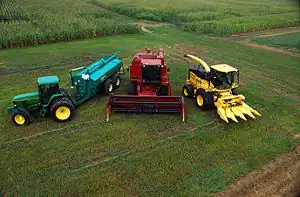
Agricultural subsidies often provide financial support for farmers producing their own power. In many countries, programs exist to help farmers install solar panels, wind turbines, or biogas systems to generate renewable energy on-site. The energy produced can be used directly for farm operations, and any surplus can be sold back to the grid, providing an additional income source.
For example, in the US and EU, farmers receive incentives to reduce their reliance on traditional grid energy. These subsidies cover part of the cost of renewable energy installations, making them more affordable. Beyond direct savings on energy bills, this also creates an opportunity for farmers to diversify their income streams.
Subsidies to farmers, practiced especially by rich countries such as the USA and the EU, was meant to even out bad growth years and long recessions, but has had several negative effects:
- Large amounts of the subsidy go to large businesses and wealthy landowners, especially those with support of big lobby groups, making inequality worse. It has in the past created over-production of a few certain crops (such as sugar and dairy) that EU needed to dump at bargain prices to other markets. Between 1992 and 2005 EU have gradually changed their policy. And a further reform is planned and scheduled for 2013.
- Countries which cannot afford to pay out subsidies to their domestic agriculture cannot compete on the international market. This can be devastating for poor countries which used to grow crops for export and have few other sources of income. (Consumers of these countries can benefit from cheaper food, through the subsidized imports resulting from this policy.)
- From a market economics perspective, it distorts the market and makes the economy less efficient and less productive. Low-price imported food products flooding the markets in agricultural countries have very harmful effect on farmers in that area not being able to get paid fairly for their products to continue farming. And can cause a severe lack of crops being grown, and with it inflation, when the inflow of cheap food from EU stops.
- It is government interference, taking money from taxpayers and giving it back to producers - while food prices tend to become lower, the savings are paid for by the taxpayer (and some of the taxes go to the profits of landowners and corporations). This is inefficient. If redistribution is necessary, there are arguably better ways to do it, such as progressive taxation or even negative income tax.
Farmers using heavy machinery, such as irrigation pumps, can save on energy costs by operating these during off-peak hours. Simple devices like timers can automate this process, ensuring operations start and stop at times when electricity rates are lower.
External links
Details of subsidies
- Farmsubsidy.org Who gets what from the Common Agricultural Policy (in the EU).
- Environmental Working Group's Farm Subsidy Database - for the USA.