Intermediate technology
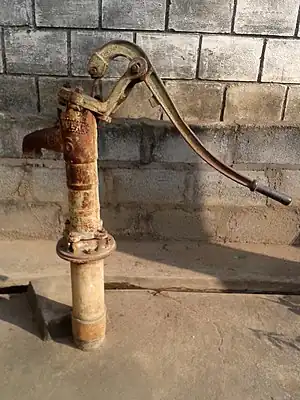
Intermediate technology is a term pioneered by E. F. Schumacher, describing something much more effective than "primitive" technology, but much less expensive and smaller-scale than the technology used in mass production. In recent years, the term appropriate technology has become much more common - the terms have almost the same meaning, but refer to different aspects of the technology.
One way intermediate technology helps generate income is by providing small-scale solutions for local problems. For instance, a hand-operated grain mill can help farmers process crops into flour for personal use or sale. Similarly, a simple water pump allows farmers to irrigate their fields, leading to better harvests that can be sold in local markets. These tools often serve as the foundation for small businesses, enabling people to create goods or offer services to others in their community.
Examples of intermediate technology in use
- Hand-operated grain mills: Farmers can grind their crops into flour locally, avoiding the costs of transportation and commercial mills.
- Water pumps: Simple pumps let farmers water their fields, improving crop yields without relying on expensive machinery.
- Brick-making machines: Small-scale brick presses allow communities to produce building materials for housing projects at a low cost.
- Solar dryers: These help preserve fruits, vegetables, and fish, making it easier to store and sell these items over time.
Schumacher's view on this subject is expressed in this quote:
The system of production by the masses mobilises the priceless resources which are possessed by all human beings, their clever brains and skilful hands, and supports them with first-class tools. The technology of mass production is inherently violent, ecologically damaging, self-defeating in terms of non-renewable resources, and stultifying for the human person. The technology of production by the masses, making use of the best of modern knowledge and experience, is conducive to decentralisation, compatible with the laws of ecology, gentle in its use of scarce resources, and designed to serve the human person instead of making him the servant of machines. I have named it intermediate technology to signify that it is vastly superior to the primitive technology of bygone ages but at the same time much simpler, cheaper, and freer than the supertechnology of the rich. One can also call it self-help technology, or democratic or people's technology -- a technology to which everybody can gain admittance and which is not reserved to those already rich and powerful.