Pumani bCPAP
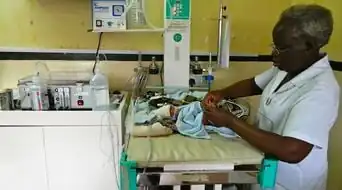
Respiratory distress syndrome (RDS) is a major cause of child mortality. It is often treated using bubble CPAP (bCPAP), but these devices can cost thousands of dollars and are too expensive for low-resource settings.
Detailed description of the solution
This bCPAP technology uses low-cost aquarium pumps to generate continuous positive airway pressure (CPAP). This keeps the infant's lungs inflated, which allows them to breathe easier. This technology can be sold for as low as $160, which an estimated maintenance of only 25 cents every two years (diaphragm replacement).
Designed by
- Designed by: Rice University students designed Pumani during their senior capstone project. The project is being continued by Rice 360 and partners Queen Elizabeth Central Hospital, Baylor College of Medicine, and 3rd Stone Design.
- Manufacturer (if different):
- Manufacturer location:
When and where it was tested/implemented
Queen Elizabeth Central Hospital in Blantyre, Malawi
Funding Source
Finalist in Saving Lives at Birth Competition
References
Peer-reviewed publication
Other internally generated reports
Rice 360 Institute for Global Health Technologies. Bubble Continuous Positive Airway Pressure (bCPAP) Device in Malawi. Retreived December 3, 2013 from here.
Externally generated reports
Saving Lives at Birth. (2012). Low-Cost Respiratory Support: Reducing Early Neonatal Death in Malawi. Retrieved December 3, 2013 from here.
Boyd, Jade. (October 1 2013). UN Features Rice's Neonatal Breathing System. Rice University News & Media. Retrieved December 3, 2013
Williams, Mike. (July 30 2012). Rice's student-designed device to help babies breathe wins more support. Rice University News & Media. Retrieved December 3, 2013