Waste to oil
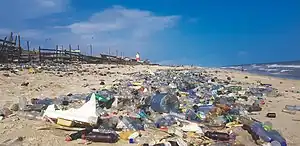
Converting waste to oil is a process that transforms plastic waste into usable oil products through methods like pyrolysis and thermodynamic cracking. This sustainable approach addresses plastic pollution and generates valuable resources.
Key Methods
- Pyrolysis: Involves heating plastic waste in the absence of oxygen to break it down into oil, gas, and char.
- Thermodynamic Cracking: Uses heat and pressure to decompose plastic into smaller hydrocarbon molecules.
Commercial Systems
- Blest Machine: A small-scale pyrolysis machine, notable but energy-intensive, converting 1 kg of plastic into 1 liter of oil using 3 kWh of energy. Read more.
- Envion: Large-scale system offering high-volume processing, though details on cost and efficiency are sparse. Learn more.
- Ectomy and GBI: Companies using thermodynamic cracking, though specific technical details are limited. Visit Ectomy and GBI.
Benefits of Waste to Oil
- Environmental Impact: Reduces plastic waste and pollution.
- Resource Recovery: Generates useful oil products from non-recyclable plastics.
- Energy Production: Converts waste into valuable energy sources.
Challenges
- Energy Efficiency: Some systems require significant energy input, affecting overall sustainability.
- Economic Viability: High initial costs and operational expenses can be a barrier.
Further Reading
- United Nations University: Detailed article on the Blest machine and its applications. Read more.
- ResearchGate: Provides academic papers on pyrolysis and thermodynamic cracking.
- Environmental Protection Agency (EPA): Information on waste-to-energy processes and their environmental impact.
Case Studies and Real-World Applications
- Japan's Approach to Waste Management: Japan has adopted the Blest machine for small-scale plastic recycling, significantly reducing local plastic waste. This system has been particularly effective in schools and small communities. Learn more.
- Envion's Large-Scale Projects: Envion has implemented large-scale waste-to-oil systems in various countries, processing millions of tons of plastic waste annually. Their technology aims to address the global plastic crisis by converting waste into usable oil. Read more.
- GBI's Innovations: Great Basin Industrial (GBI) has been working on advanced thermodynamic cracking technologies, providing solutions for industrial-scale plastic waste conversion. Their projects highlight the potential of waste-to-oil systems in reducing industrial waste. Visit GBI.
Waste-to-oil technology offers a promising solution for managing plastic waste and generating valuable resources. By improving energy efficiency and reducing costs, these systems can become more viable and widespread.
See also
This article is issued from Appropedia. The text is licensed under Creative Commons - Attribution - Sharealike. Additional terms may apply for the media files.